Securing an Injunction Order under the Specific Relief Act is often the most critical step in civil litigation. For example, imagine a developer attempting to demolish a heritage structure despite a pending title dispute. In such cases, the final judgment might take years to arrive. Therefore, the immediate priority for any lawyer is to freeze the situation. By doing so, you prevent any irreversible damage to the property.
Understanding Preventive Relief in India
An injunction serves as a form of preventive relief granted at the court’s discretion. Specifically, it is a judicial process where a party must do or refrain from doing a particular act. This legal tool exists at the unique intersection of substantive and procedural law.
First, the Specific Relief Act (SRA), 1963 defines the types of injunctions available. Second, the Code of Civil Procedure (CPC), 1908 provides the machinery to seek this relief. Consequently, litigators must master both statutes. Mastering these rules helps to protect their clients’ interests effectively.
Classification of Injunctions: Temporary, Perpetual, and Mandatory
Indian law classifies injunctions based on their duration. Additionally, it looks at the nature of the relief sought. Most importantly, Section 37 of the Specific Relief Act distinguishes between temporary and perpetual reliefs. Choosing the right category is the first strategic hurdle for any civil litigator.
Temporary Injunctions and Section 37(1)
Temporary injunctions are designed to maintain the status quo. In fact, they last until the disposal of the suit. Therefore, they are granted at any stage of the proceedings. For instance, a court may issue such an order to prevent a defendant from creating third-party rights. These are regulated primarily by Order 39, Rules 1 and 2 of the CPC.

Perpetual and Mandatory Injunctions
On the other hand, a Perpetual Injunction under Section 38 is only granted by a final decree. This happens after a full trial on the merits of the case. Furthermore, Section 39 governs Mandatory Injunctions. These are used to compel a party to perform a specific act. Specifically, they prevent the breach of an obligation.
The Three Pillars of Granting an Interim Injunction
Courts do not grant an Injunction Order under the Specific Relief Act lightly. Instead, they apply a rigorous “Triple Test.” This test was famously established in the landmark case of Dalpat Kumar vs. Prahlad Singh (1992).
Establishing a Prima Facie Case
First, the plaintiff must establish a prima facie case. This does not mean the plaintiff must prove the case beyond doubt. However, they must show a “serious question to be tried.” In other words, the claim must have a high probability of success. This probability is based on existing records.
Proving Irreparable Injury and Loss

Second, the lawyer must prove “irreparable injury.” This means monetary compensation would not be an adequate remedy if the relief is denied. Third, the court weighs the “balance of convenience.” For example, the court asks if the hardship to the plaintiff outweighs the potential loss to the defendant. Therefore, you must present strong evidence to tip the scale in your favor.
Procedural Requirements under Order 39 of the CPC
Securing an Injunction Order under the Specific Relief Act requires strict adherence to the CPC. Most practitioners seek an “Ex-Parte Ad-Interim Injunction” under Order 39 Rule 3. This is granted without prior notice to the opposite party. However, this only happens in cases of extreme urgency.
The Mandatory Compliance Affidavit
Specifically, Rule 3 includes a very strict proviso. After obtaining an ex-parte order, the plaintiff must immediately send copies to the defendant. These copies include the order and application. Additionally, they must file an affidavit of compliance. This must be done on the same or next day.
Risks of Procedural Lapses
According to the Supreme Court in Time City Infrastructure v. State of U.P. (2025)-insc-966/view), non-compliance is fatal. Failure to follow this procedure results in the automatic vacation of the ex-parte order. Consequently, lawyers must be extremely diligent with their timelines. Above all, do not miss the 24-hour window.

Grounds for Refusal of an Injunction
Even with a strong case, Section 41 of the Specific Relief Act lists several bars to relief. For instance, an injunction cannot be granted if an “equally efficacious relief” is available. Specifically, a suit for mandatory injunction may be barred. This occurs if the plaintiff should have sued for possession instead.
Equitable Bars and Unclean Hands
Courts also apply the principle of equity. If a plaintiff suppresses material facts, they come with “unclean hands.” In fact, such behavior is a primary ground for the vacation of any interim order. Furthermore, “Laches” or long-standing delay can lead to a refusal. Therefore, you must file for relief immediately. Do this as soon as the cause of action arises.
Drafting Tips for Civil Litigators
Drafting the application is just as important as the oral arguments. First, create a dedicated “Urgency Paragraph.” Specifically, detail the exact moment the threat occurred. For example, state that the defendant arrived with heavy machinery on a specific date.
Precise Property Descriptions in Drafting

Additionally, ensure you include a precise description of the subject matter. Use an “Annexure: Schedule of Property” with exact boundaries. Moreover, this prevents confusion during enforcement. You should also attach time-stamped photographs or local police complaints. These reinforce the Triple Test facts. In fact, well-documented applications are much more likely to succeed in the first hearing.
The Role of Technology in Managing Litigation Timelines
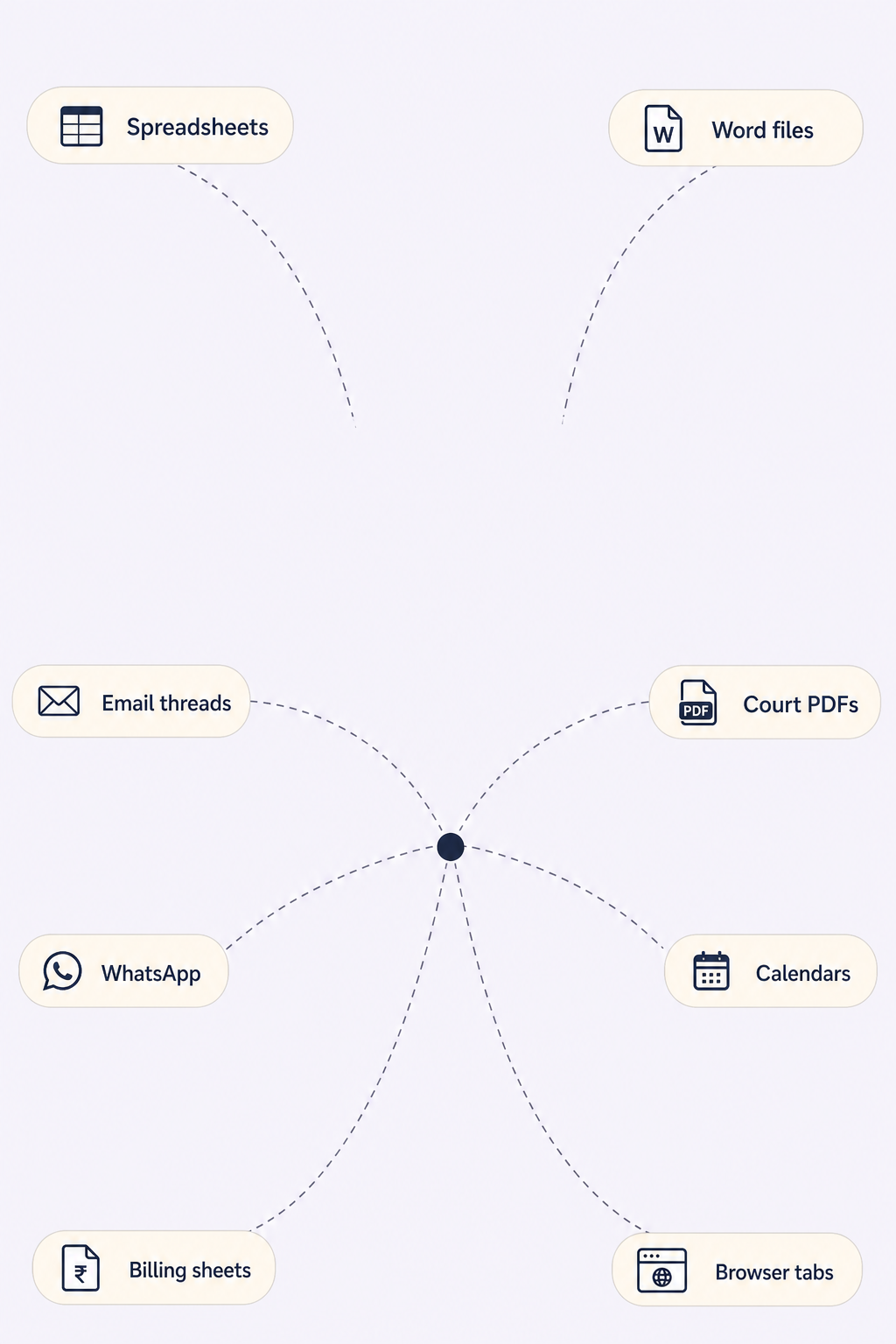
Managing multiple civil suits requires high-level organization. For example, tracking the expiry dates of interim orders can be overwhelming. Furthermore, missing the 24-hour compliance window under Order 39 Rule 3 is dangerous. It can lead to professional negligence claims.
Automating Compliance and Legal Research
Modern practice management tools help automate these critical reminders. Specifically, you can set alerts for filing compliance affidavits. Additionally, AI-driven research allows you to identify judge-specific trends. You can research trends regarding Injunction Orders under the Specific Relief Act. Consequently, technology is no longer optional for the modern Indian litigator.
Conclusion and Action Steps
To wrap up, obtaining an injunction requires a blend of substantive knowledge and procedural precision. You must satisfy the Triple Test of prima facie case, irreparable loss, and balance of convenience. Most importantly, you must follow the strict procedural mandates of Order 39 Rule 3 CPC. This ensures your relief remains active.
Streamline your civil litigation practice today. Use LawSathi’s AI-powered research and task management tools. Never miss a compliance deadline for Order 39. Book a demo now!