The Indian criminal justice system is undergoing its most significant transformation in decades. As of 2026, legal practitioners are now navigating the full implementation of the Bharatiya Nagarik Suraksha Sanhita (BNSS). Specifically, Section 482 BNSS has emerged as the most debated provision. This section is now technically recognized as Section 528 for High Courts across India.
Introduction: The Evolution of Inherent Powers
The transition from the old Code of Criminal Procedure (CrPC) to the BNSS was more than a name change. While the syntax of the inherent powers remains familiar, the procedural environment has shifted. Therefore, lawyers must understand how these changes affect their daily practice and case strategies.
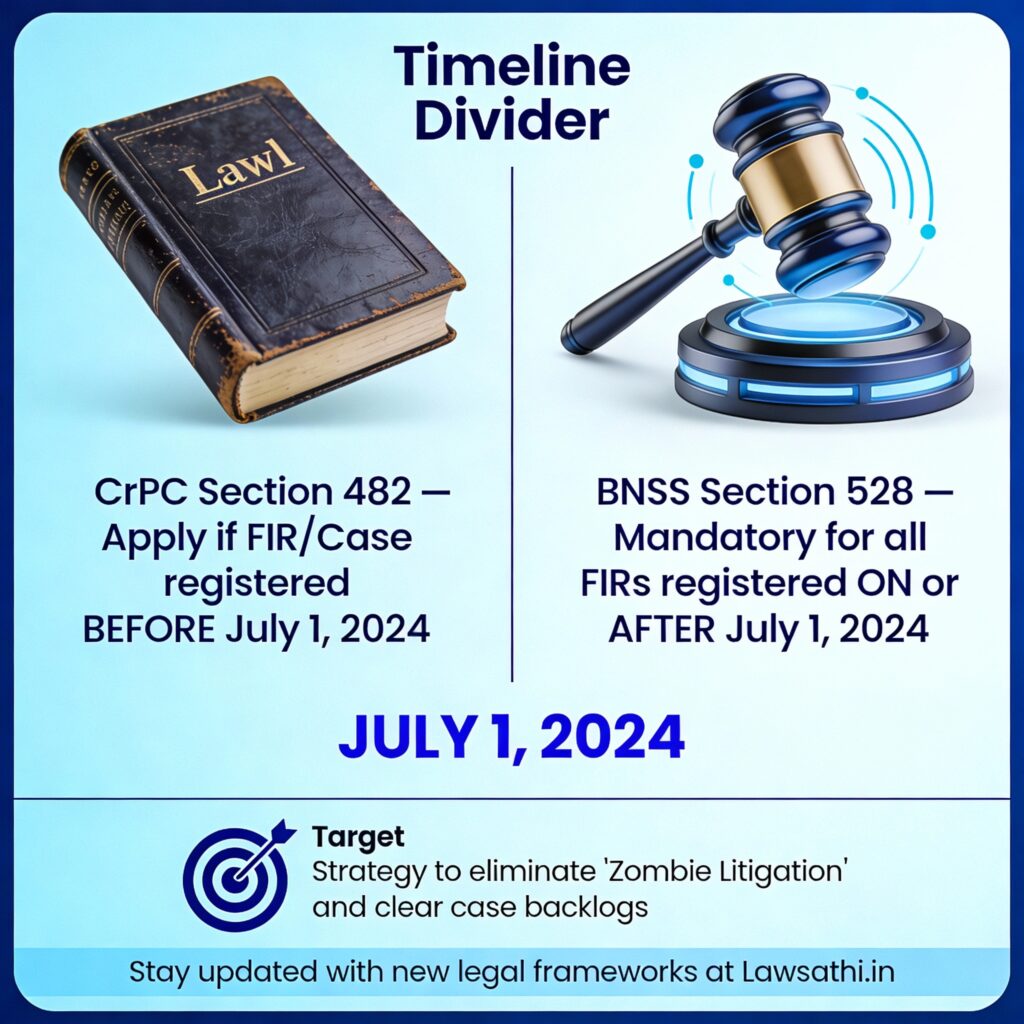
Supreme Court guidelines in 2026 have finally resolved long-standing ambiguities. For example, cases registered before July 1, 2024, generally follow the old CrPC. However, for all new FIRs and applications, Section 528 of the BNSS provides the framework for judicial intervention.
Why Procedural Clarity Matters in 2026
Ambiguity in procedural law often leads to “zombie litigation” that clogs the courts. Consequently, the Supreme Court 2026 guidelines emphasize a clean break from old habits. Above all, the court aims to reduce the massive backlog of quashing petitions.
Legal professionals must now differentiate between the two regimes clearly. For instance, a petition filed under the wrong section can lead to unnecessary delays. Therefore, understanding the applicability of BNSS vs CrPC is a vital step for any successful lawyer.
The 2026 ‘Inherent Powers’ Framework: What Has Changed?
The core essence of inherent powers remains the prevention of the “abuse of the process of any Court.” However, the Supreme Court has introduced a more structured approach in 2026. This framework ensures that High Courts exercise their discretion with greater precision.
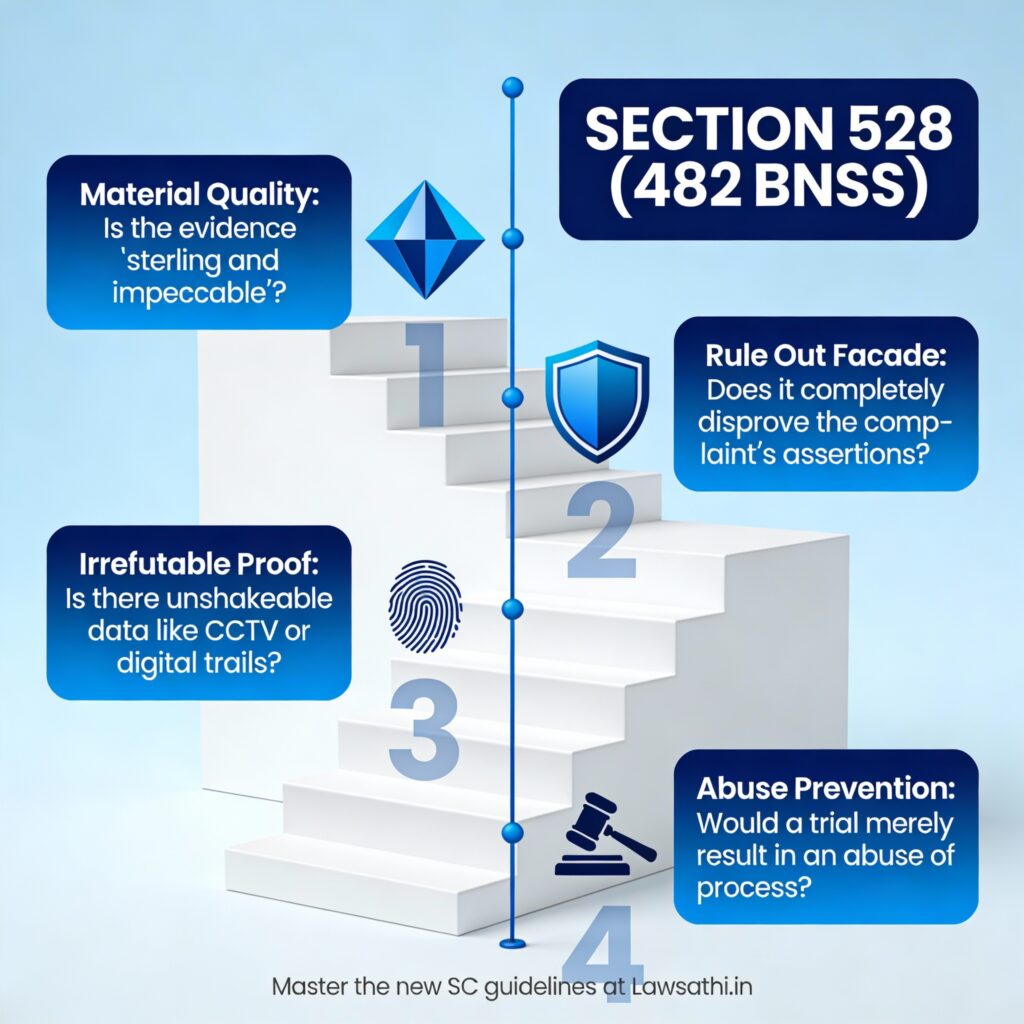
Specifically, the Court now relies on a four-step veracity test for quashing. First, is the material of “sterling and impeccable quality”? Second, does this material rule out the complaint’s assertions? Third, is the material irrefutable? Finally, would a trial result in an abuse of process?
Digital Evidence and Inherent Powers
In the digital age, “sterling material” often includes electronic records. High Courts can now take judicial notice of social media posts or digital trails. Consequently, these electronic footprints often serve as the basis for quashing frivolous FIRs early.
Furthermore, the 2026 guidelines encourage the use of technology to verify facts. For example, undeniable CCTV footage can be ground for immediate relief. As a result, the “inherent powers” have expanded to include modern forensic realities.
Limits on Suo Motu Interventions
While powers are broad, they are not limitless. The 2026 rulings suggest that High Courts should refrain from “mini-trials.” In other words, judges should not weigh the credibility of witnesses at the quashing stage. Instead, they must focus on whether a prima facie offense exists based on the record.
Quashing of FIRs: New Criteria and Judicial Restraint
The criteria for quashing of FIR under BNSS have evolved to discourage frivolous litigation. The foundational principles of the Bhajan Lal case still stand. However, the 2026 framework adds new layers of judicial restraint to prevent power abuse. This prevents the inherent power from becoming an alternative to a regular trial.
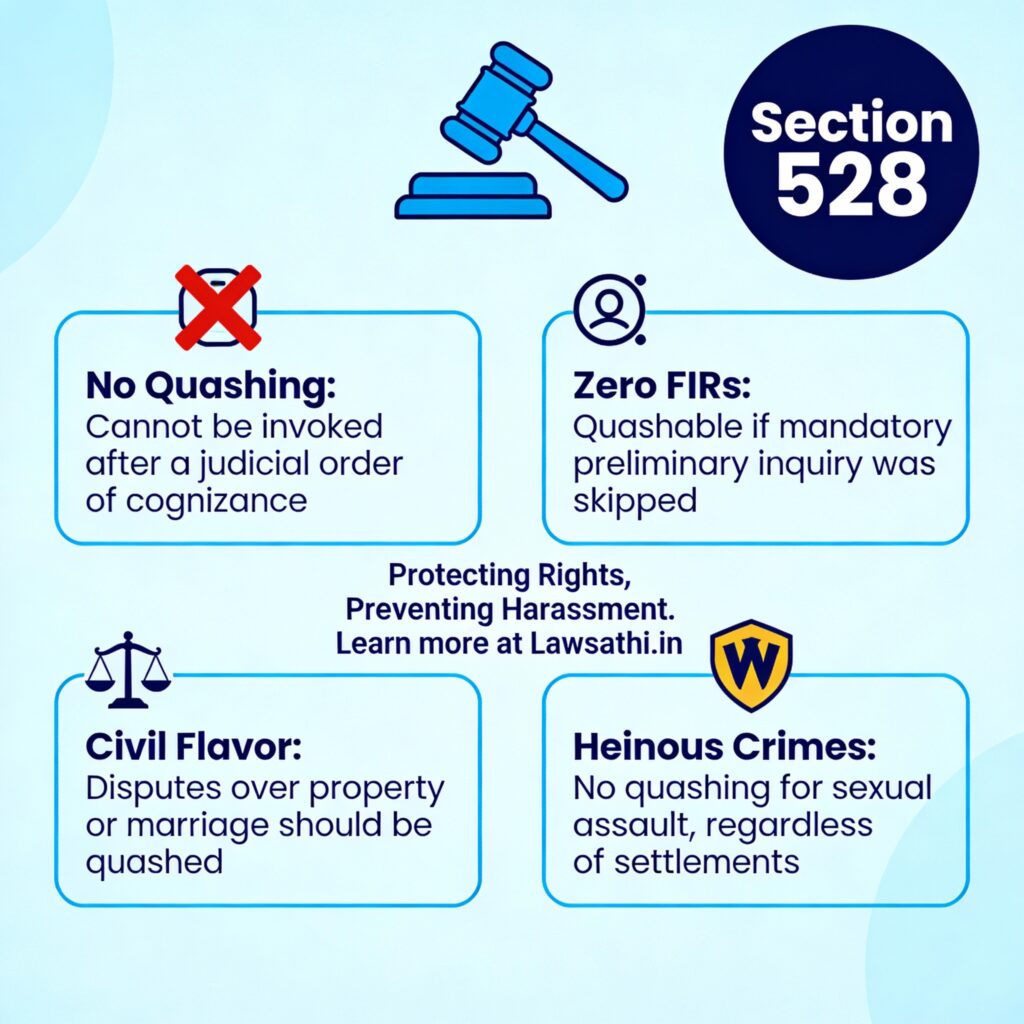
For instance, the Supreme court recently issued an important ruling regarding timing. Specifically, Section 482 BNSS cannot be invoked after a judicial order of cognizance is passed. In such cases, the remedy lies in challenging the cognizance order itself. This distinction is vital for maintaining procedural hierarchy.
Handling Zero FIRs and Preliminary Inquiries
The BNSS mandates preliminary inquiries for specific categories of offenses. If the police fail to conduct this inquiry, it may serve as a ground for quashing. Additionally, the rise of “Zero FIRs” has led to specific guidelines to prevent jurisdictional harassment.
In fact, the Supreme Court has noted that incomplete investigations do not bar quashing actions. If the allegations disclose no offense on their face, the High Court must intervene. Therefore, the “rarest of rare” doctrine is now applied with a focus on procedural compliance.
Distinguishing Civil from Criminal Disputes
Courtrooms are often used to settle commercial scores. To counter this, the 2026 guidelines reiterate that disputes with a “civil flavor” should be quashed immediately. For example, purely matrimonial or property disputes should not consume criminal court resources. Continuing such cases is a luxury the Indian judiciary can no longer afford.
Balancing Accused Rights with Victim Rights under BNSS
One of the most significant shifts in the 2026 guidelines is the focus on the victim. The Sanhita adopts a victim-centric approach that High Courts must now respect. Therefore, the “Right to be heard” for victims is no longer optional in many proceedings.
Moreover, the Supreme Court has clarified that heinous crimes cannot be quashed simply because of a settlement. Crimes like sexual assault or armed robbery are considered offenses against society. Consequently, a compromise between the parties does not automatically “secure the ends of justice.”
Impact on Pre-Arrest Bail and Interim Stays
The interaction between Section 482 BNSS and pre-arrest bail has become more structured. While a quashing petition is pending, the High Court might grant interim protection. However, the 2026 guidelines suggest that these stays should have specific timelines. This prevents the accused from stalling investigations indefinitely without genuine cause.
Victim Participation in the Digital Era
The move toward paperless courts has made victim participation easier. For instance, victims can now join quashing hearings via video conferencing from anywhere in India. As a result, the court ensures that the person most affected by the crime has a voice.
Procedural Updates: Timelines and Digital Submissions
Efficiency is the cornerstone of the 2026 judicial reforms. High Courts are now directed to follow mandated timelines for deciding quashing petitions. This push aims to eliminate the “limbo” that many litigants experience.
Additionally, the integration of forensic evidence at the quashing stage is now a standard requirement. If the mandatory forensic procedures are bypassed, the High Court may use its inherent power to intervene. This ensures that the police adhere to the higher evidentiary standards of the new Sanhita.
The Rise of Paperless Courts
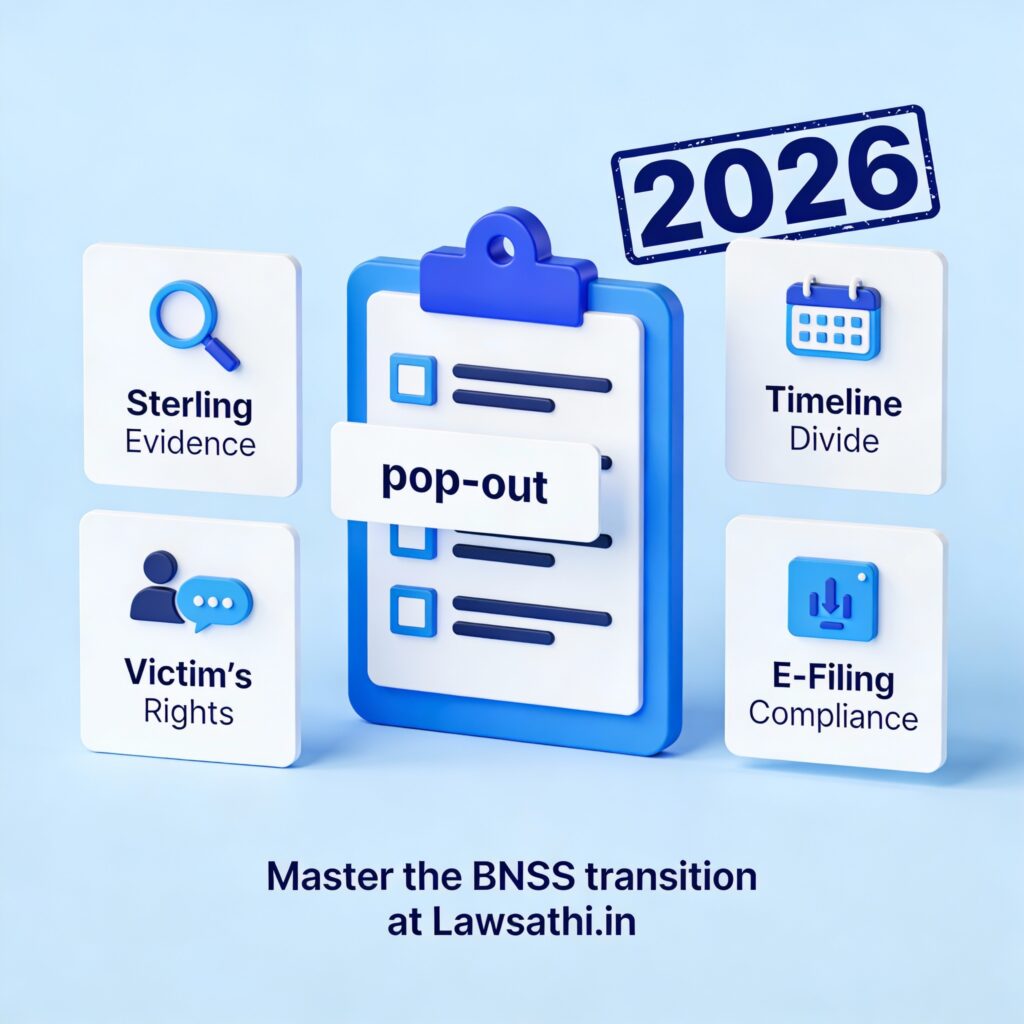
Filing a petition under Section 482 BNSS has become increasingly digital. Lawyers are now encouraged to use e-filing portals for all submissions. This transition reduces physical paperwork. Furthermore, digital submissions enable better tracking of case statuses across different benches.
Practical Implications for Indian Lawyers
Navigating the BNSS transition requires a change in drafting strategy. When drafting a petition, you must explicitly state why you are invoking Section 482 BNSS. For example, if you challenge an FIR after cognizance, you must rely on Section 528 BNSS specifically.
Drafting Tips for New Petitions
First, always highlight the “sterling quality” of your evidence in the first few paragraphs. Second, clearly distinguish between pre-July 2024 and post-July 2024 events. Third, ensure that you have addressed the victim’s right to be heard effectively. These steps significantly increase the chances of your petition being admitted.
Using AI in Legal Practice
Managing the transition is easier with the right tools. For instance, AI-powered platforms can help you find relevant 2026 citations in seconds. Additionally, these tools help manage the shorter timelines mandated by the Supreme Court. Staying organized is now a necessity for professional survival.
Conclusion: The Future of Judicial Discretion in India
The 2026 Supreme Court guidelines represent a leap forward for Indian law. By balancing inherent powers with structural discipline, the judiciary aims to deliver faster justice. Most importantly, the focus on “sterling material” creates a more equitable system for all parties.
As we move deeper into the Sanhita era, the role of the lawyer is evolving. It is no longer enough to know the law. One must master the new digital and procedural landscape. Therefore, staying updated with the latest rulings is the only way to ensure success.
Stay ahead of the BNSS transition with LawSathi. Our AI-powered platform helps you manage new procedural timelines and draft petitions in minutes. Book a demo today.